How to Play Kendama: A Complete Beginner’s Guide
How to Play Kendama: A Complete Beginner’s Guide
The kendama looks deceptively simple: a wooden handle, three cups, a spike, and a ball connected by a string. Yet the first time you pick one up, you’ll quickly discover that landing even a basic catch takes focus, rhythm, and a little patience. The good news? Anyone can learn. This guide walks you through everything a complete beginner needs to start playing kendama with confidence, from holding it correctly to landing your first real trick.
What Is a Kendama?
Kendama is a traditional Japanese skill toy made of solid wood. It strengthens hand-eye coordination, balance, and reflexes, and it can be played by anyone of any age. The whole toy is built around a few simple parts working together, and once you understand them, everything else clicks into place.
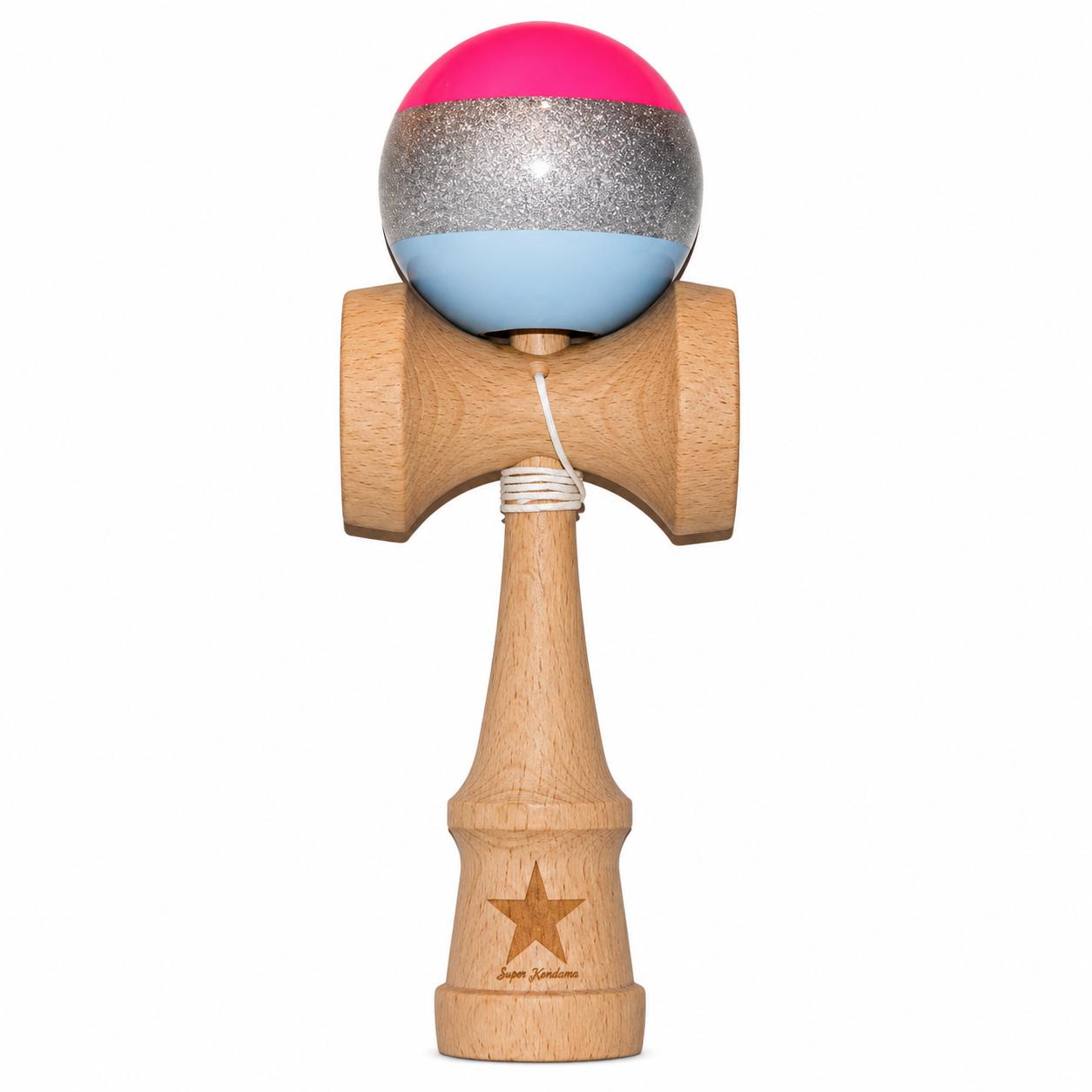
The main pieces are the ken (the handle and spike), the tama (the ball), the sarado (the cup section with the big and small cups), and the string that connects the ball to the handle. The ball has a single hole in it, and that hole is what you’ll eventually aim onto the spike.
How to Hold a Kendama
Before any tricks, you need a solid ready position. Hold the ken so the spike points straight up and the big cup faces toward your body. Rest your thumb beneath the big cup and wrap your remaining fingers around the handle. Your grip should feel secure but relaxed, never tense, so your hand can move freely.
One small detail makes a big difference for beginners: point the string hole on the handle toward your non-dominant side. This keeps the string from twisting and tangling while you play. Let the ball hang straight down beneath the handle, completely still, before you begin.
The Four Basic Grips
As you progress, you’ll switch between a few standard grips depending on the trick. Learning these four early will set you up for almost everything that follows.
The ken grip means holding the handle with the spike pointing up and a cup facing your body, which is your default for spiking the ball. The sara grip involves pinching the handle with your thumb and index finger just below the cups, ideal for catching the ball in the cups. The candle grip flips the handle so the spike points down, held with just a few fingers. Finally, the tama grip means holding the ball itself, with the hole facing upward, so you can land the handle’s spike or cups onto it.
The Golden Rule: Bend Your Knees
If you remember only one piece of advice from this entire guide, make it this one. Kendama follows a natural 1-2-3 rhythm powered by your knees, not your arm. Bend your knees, then straighten them to lift the ball, and bend again to cushion the catch as the ball comes down.
This knee motion absorbs the impact so the ball settles softly into a cup or onto the spike instead of bouncing off. Beginners almost always try to muscle the ball with their arm and wrist, and it almost never works. Use your whole body, keep your eyes locked on the ball, and let your knees do the work.
Your First Three Tricks
Here’s a simple progression that builds real skill. Land each one consistently before moving to the next.
1. Big Cup
This is the perfect first trick. Hold the kendama in a sara grip with the big cup facing up. Keep your eyes on the hole in the ball, bend your knees, and pull the ball straight up. As it reaches the top and starts to drop, bend your knees again and catch it gently in the big cup. The secret is pulling straight up rather than out, so the ball comes down right where you want it.
2. Around the Cups
Once the big cup feels natural, practice catching the ball in all three cups in sequence: big cup, small cup, then the cup on the base. This drill teaches you to control the ball’s landing on different surfaces and builds the precision you’ll need for everything ahead.
3. The Spike
This is the trick everyone wants to land, and it feels incredible the first time. Hold the ken grip with the spike pointing up. Let the ball hang still, and use your free hand to steady it if needed. Bend your knees, pull the ball straight up with your whole body, and as it falls, guide the spike into the hole, bending your knees to absorb the landing.
A helpful beginner tip: give the ball a gentle spin with your fingers as you pull it up. The spinning keeps the hole facing down like a tiny gyroscope, so all you have to do is line up the spike underneath it. This trick, sometimes called a spin spike, makes landing your first spike far easier.
How to Practice and Improve Faster
The players who improve fastest aren’t the most talented, they’re the most consistent. Keep your practice sessions short and frequent rather than long and occasional. A few focused minutes every day beats one long session a week.
Write your tricks in a checklist from easiest to hardest and try to land each one in a row. Once you can do that, time yourself and try to beat your record. This builds the consistency that separates beginners from intermediate players. And remember: missing is part of the process. Every player you admire missed thousands of times on the way up.
Choosing Your First Kendama
Your equipment matters more than you’d expect. A quality solid wood kendama with good balance is far easier to learn on than a cheap, poorly weighted one. Beginners often find a slightly larger cup or an oversized model more forgiving, since the bigger target makes early catches easier to land.
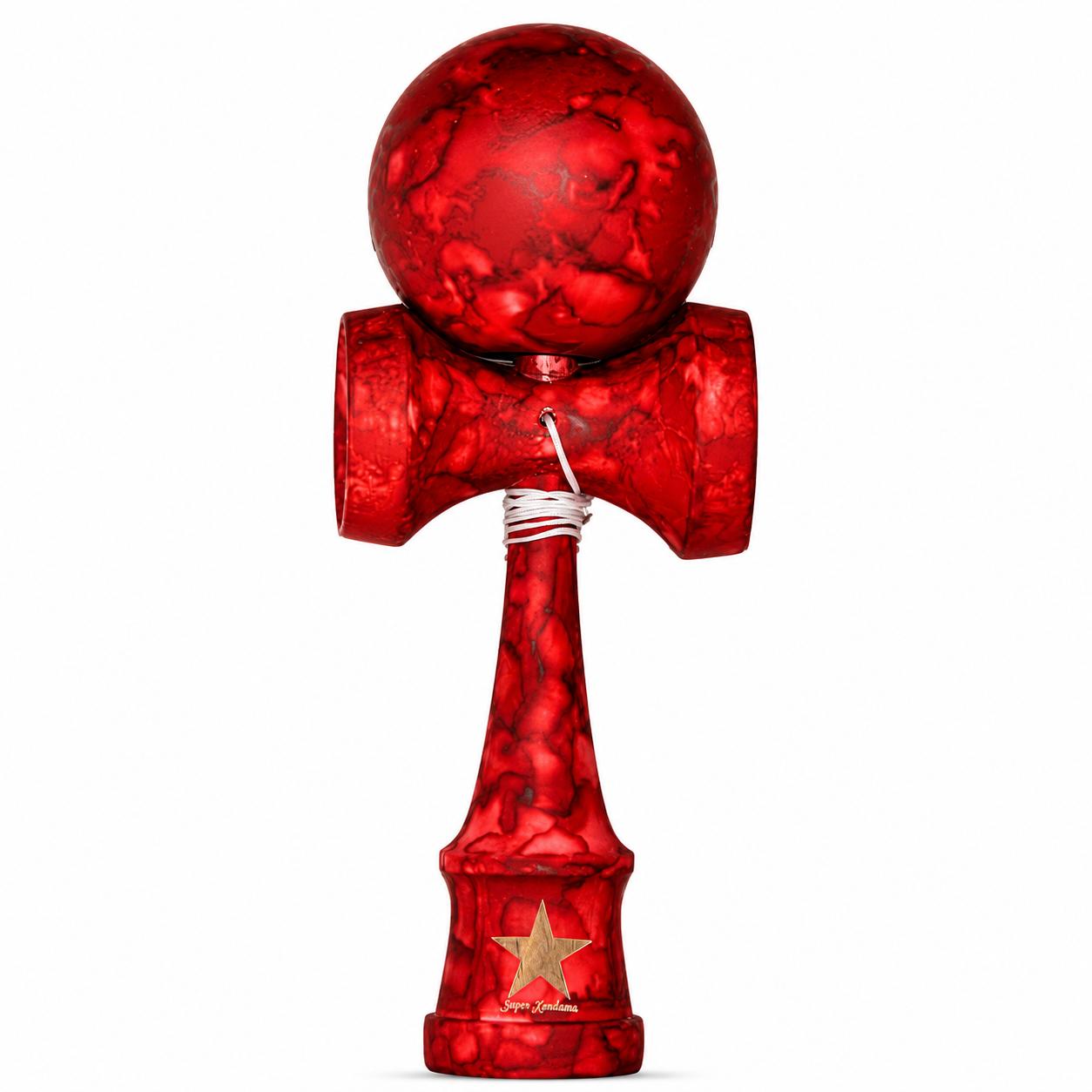
At Super Kendama, every kendama is made from 100% solid beech wood for authentic balance and feel. If you’re just starting out, a classic solid color model or a jumbo kendama gives you the most forgiving introduction, while our mini and pocket kendamas are perfect once you want something to practice with anywhere you go.
Ready to Start Playing?
Kendama rewards patience, focus, and creativity, and there’s no single right way to play. Start with the big cup, work toward your first spike, and keep your knees loose and your eyes on the ball. Before long you’ll be stringing tricks together and inventing your own.
Browse our full collection of handcrafted wooden kendamas and pick the one that fits your style. Your first spike is closer than you think.
Share This Story, Choose Your Platform!
About the author : quickfixfridley